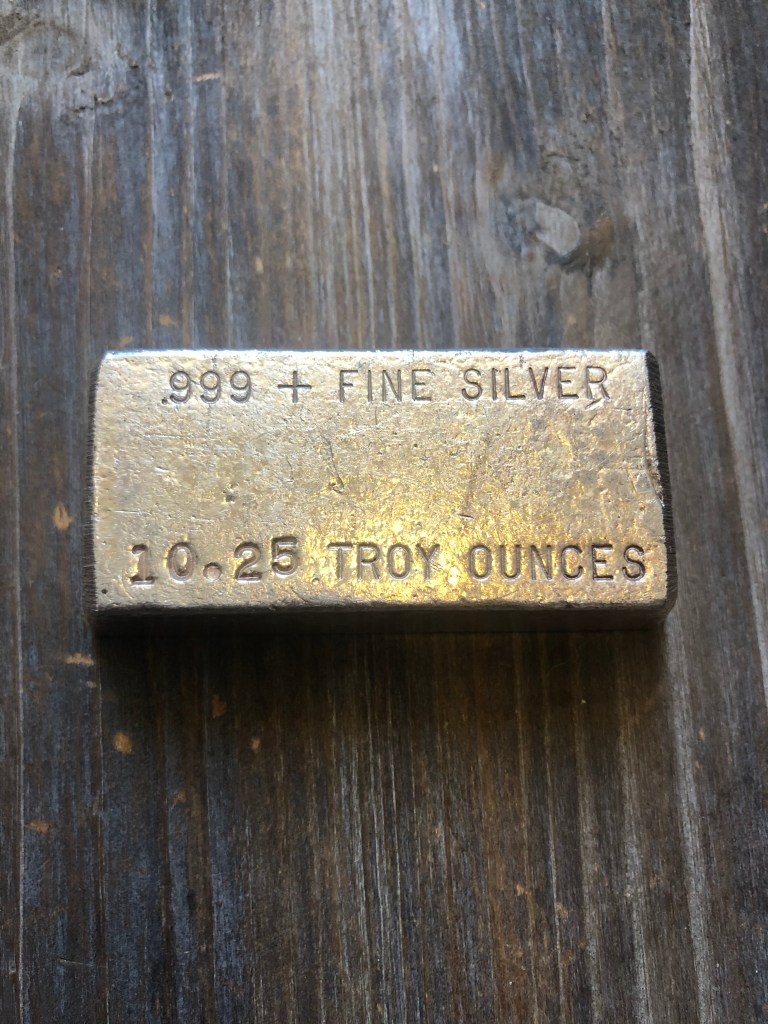
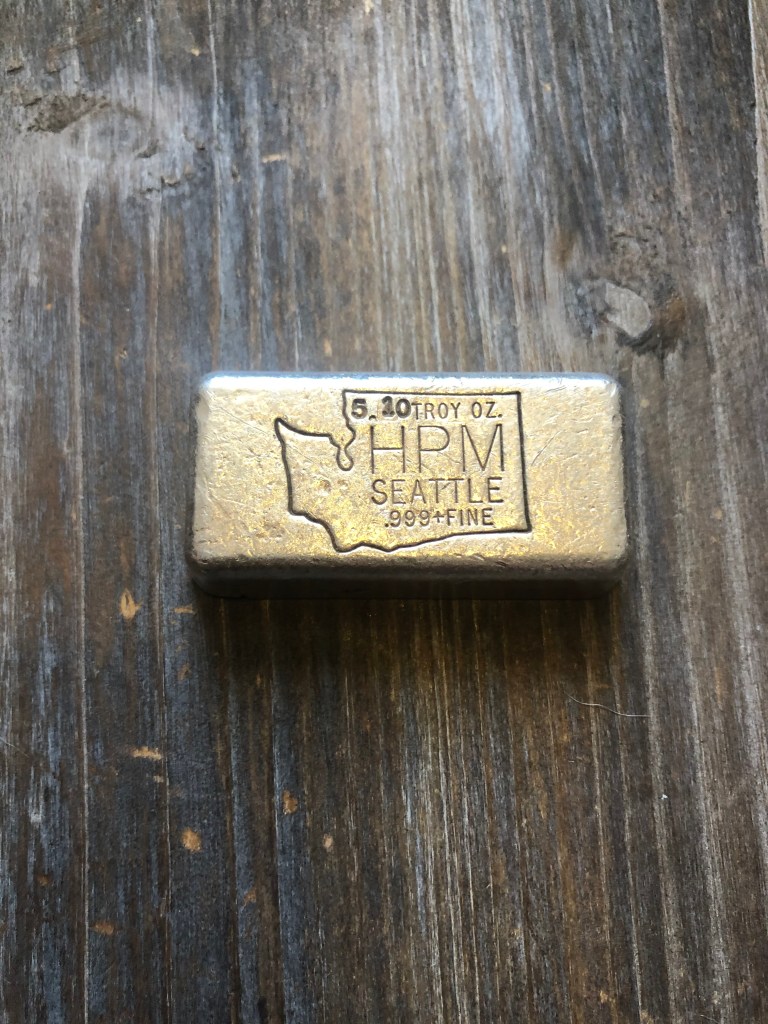
HPM is another well known vintage hallmark that you don’t see a lot of anymore. The company operated out of Seattle, WA in the 1970s. Not a lot of information available, unfortunately. These are typically found in 10 oz class. The 1 and 5 oz varieties are extremely scarce.
Very cool design and stamp on this 10 oz class.Obverse has the weight and purity and reverse pictured above with the hallmark stamp.5 oz class has both hallmark and weight/purity on obverse.Nice reverse on the 5 oz class HPM.
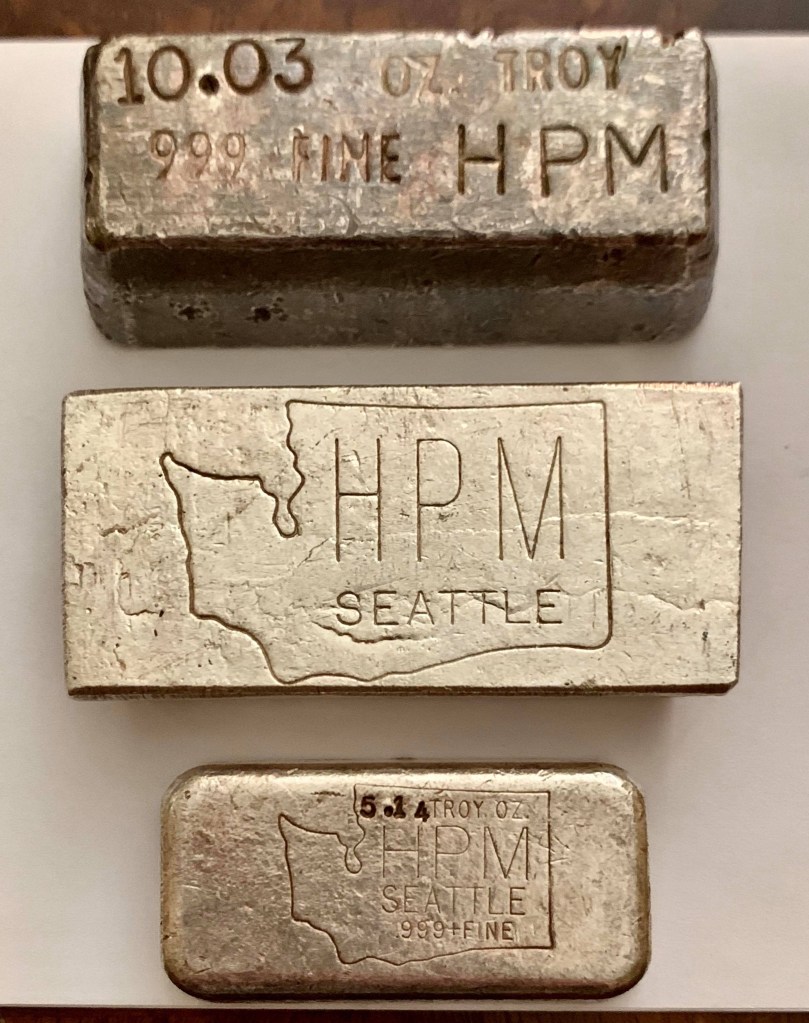
Here are a few more great examples that Brian R. shared for this post, including a first gen 10 oz class HPM. Very cool.
You don’t see many first gen 10 oz like top pictured. Awesome.Reverse shot. Nice group here.
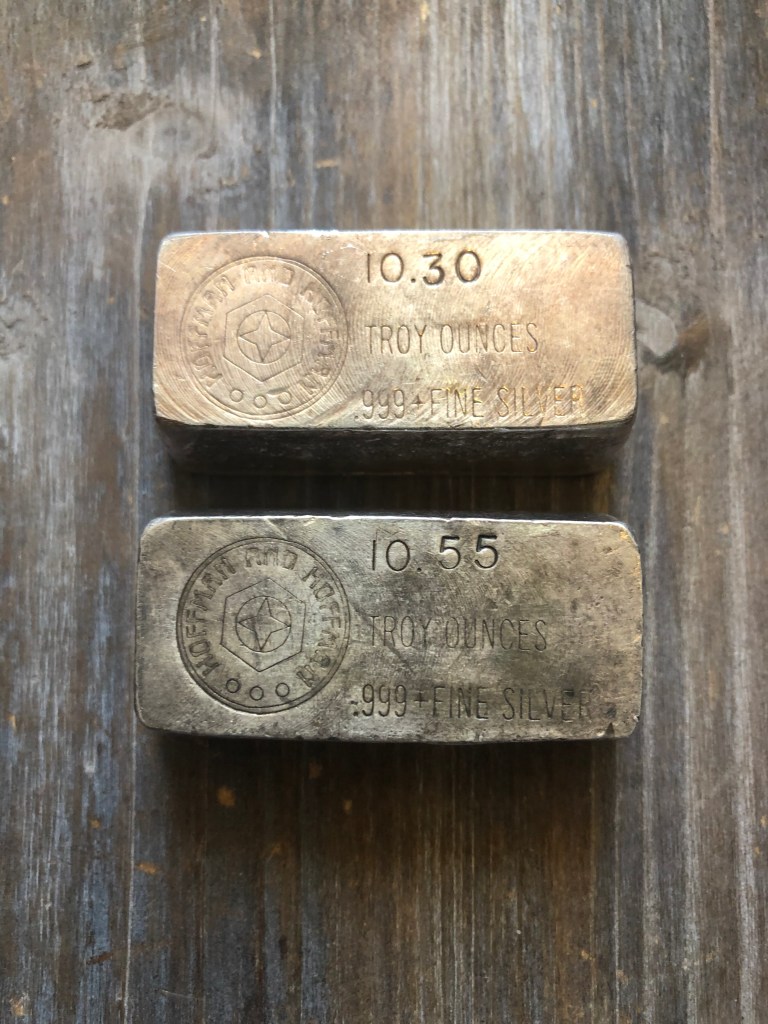
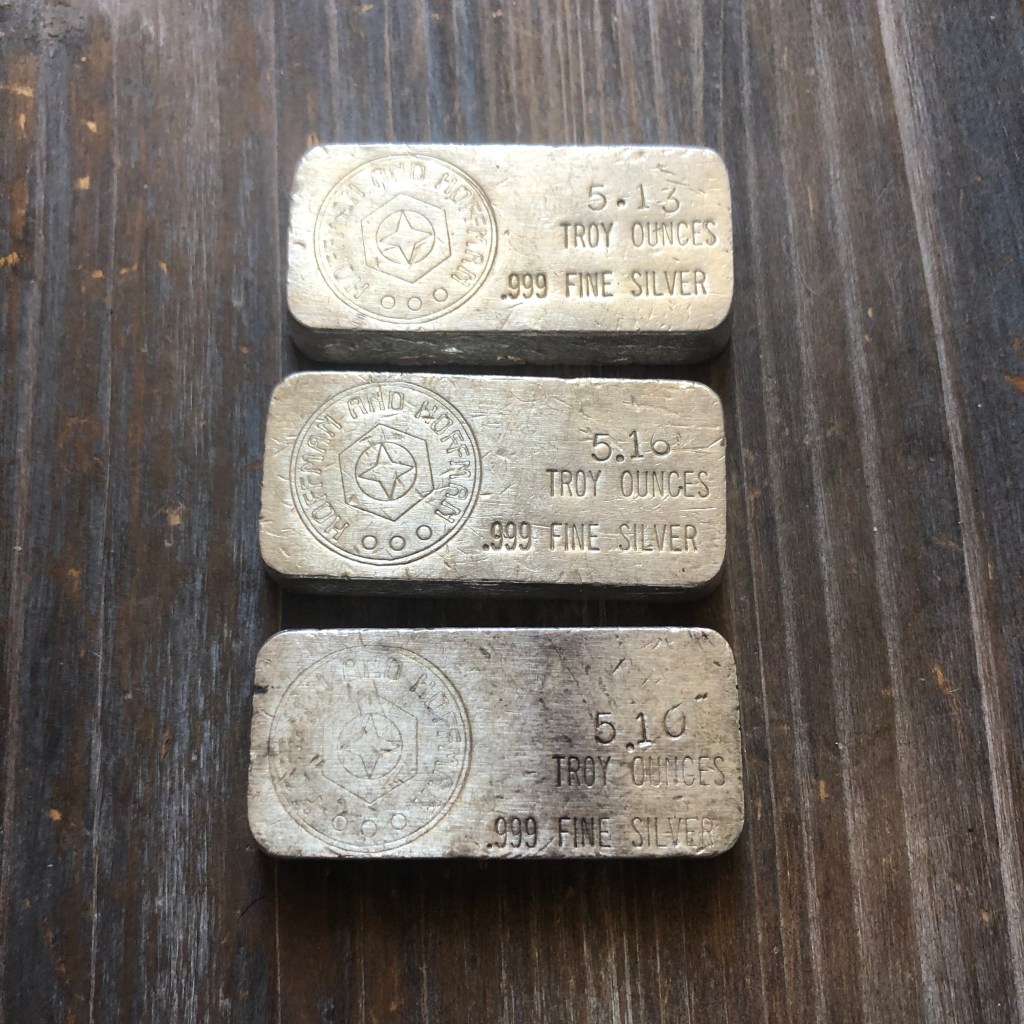
Hoffman and Hoffman is a favorite for vintage collectors. Just an iconic hallmark which is an “Alchemy” symbol. They made bars ranging from 5 to 100 oz and are known for their cool old vintage rounds with the “Alchemy” symbol and “Unicorn.” They are unique in many ways from the flat 5 oz rare pour to the 10 oz that has the fine circular marks that many show from the way they did the pour. Look closely at the pics to see what I’m referring to.
Two very nice strikes in 10 oz class. Lot’s of patina on both these bars. Both bars have the fine swirly lines on the obverse, but more noticeable in top example. Doesn’t get much better than this for a reverse. Both are fantastic.
The 5 oz class are the most scarce as far as Hoffman and Hoffman ingots go. They fetch very high premiums.
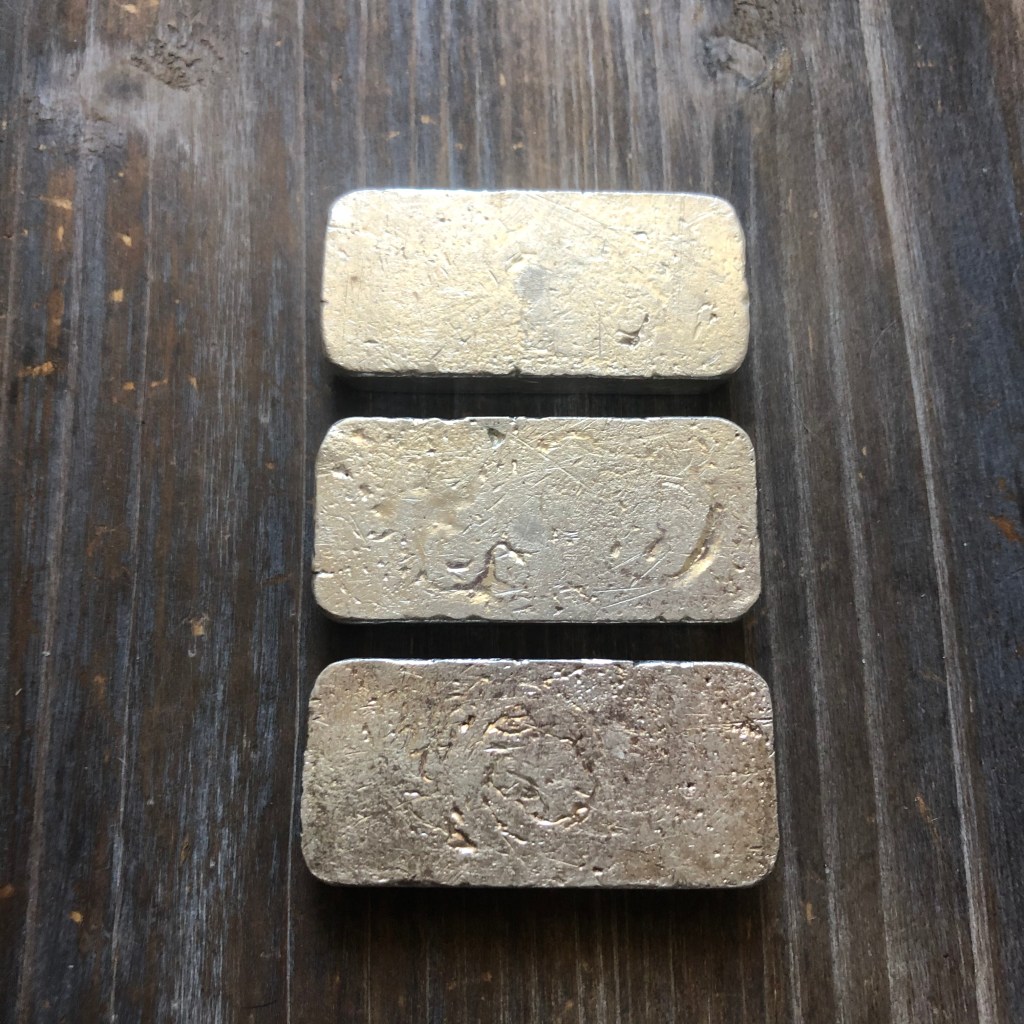
A trio of flat pour varieties. Just love these!Nice character on the reverse of these 3.
Here is a stubby 5 oz example that I own.
This one is staying in the permastack!Reverse of stubby 5 oz Hoffman and Hoffman.
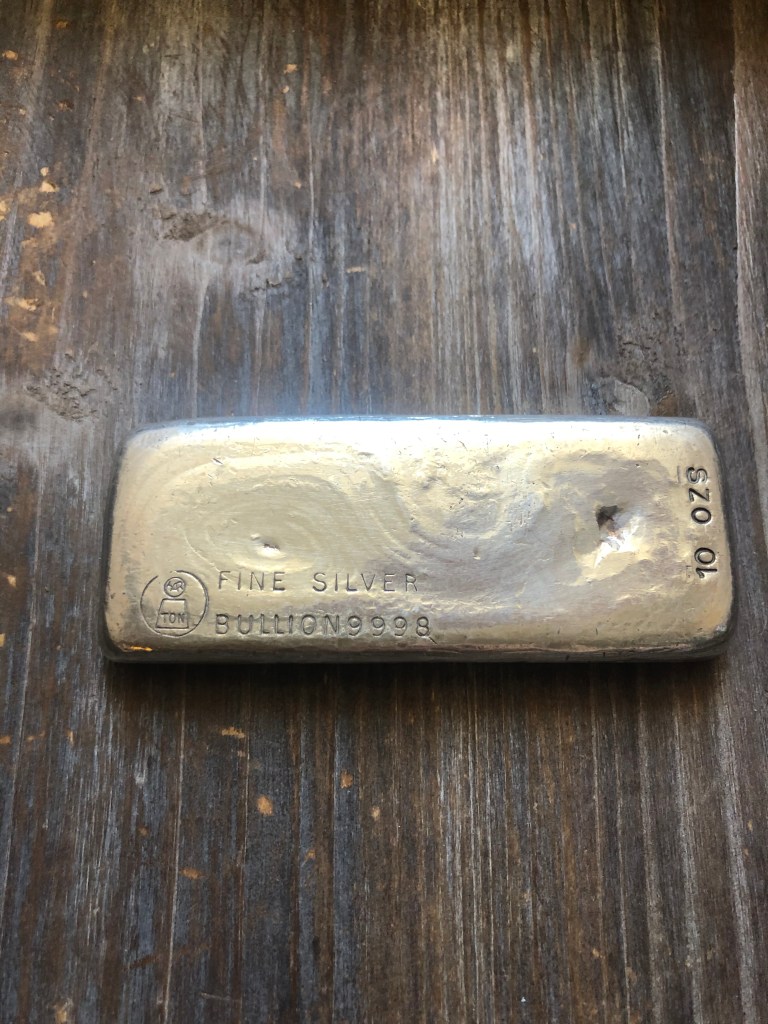
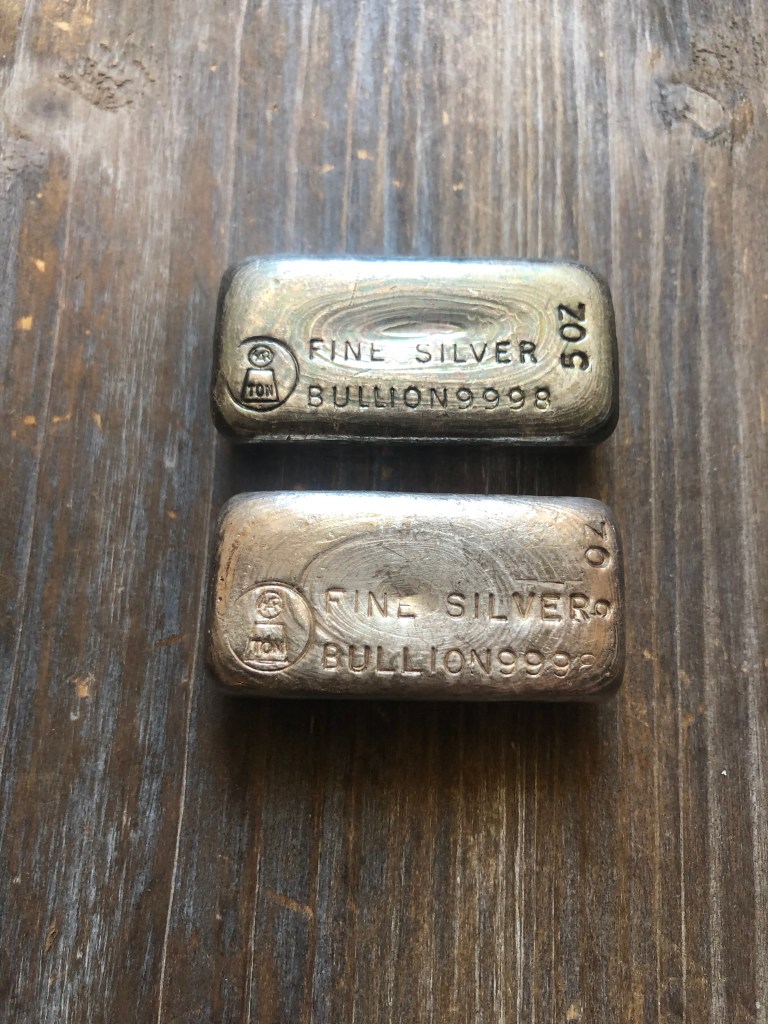
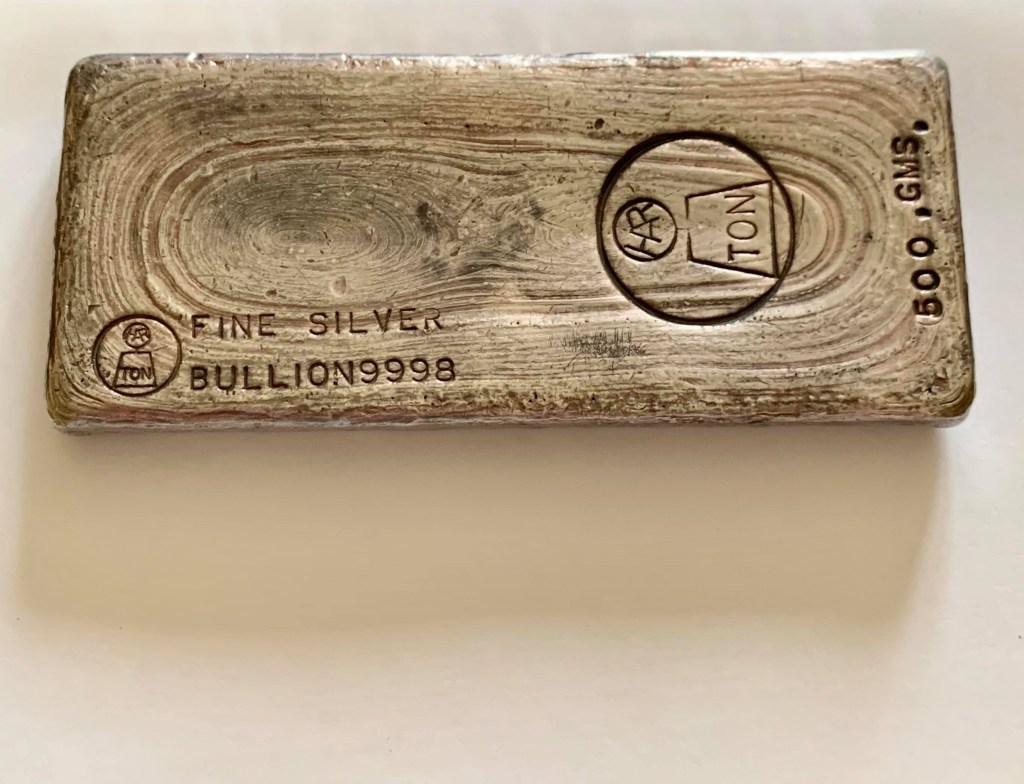
Harringtons ingots are right up there at the top of my favorites list. I’m a huge fan of the beauty and care that went into producing these. Harringtons is an was an Australian refiner in the early 80s and stopped operations around mid 90s. They are some of the most sought after pieces and their smaller ingots are some of the highest per oz vintage silver that you will come across.
Stunning 10 oz example with incredible lines and color. Just love this hallmark. Estimated <250 mintage.Beautiful lines!Nice type 2 10 oz class with “OZS” versus “OZ” in the first example of the type 1 10 oz class above. Estimated <500 mintage.Another example of killer pour character on reverse!Pair of exceptional 5 oz class with amazing lines and color. Estimated <200 mintage.Fantastic examples! Beautiful color!Stunning example of a 500 gram estimated <500 mintage from Brian R’s collection!Unreal example!
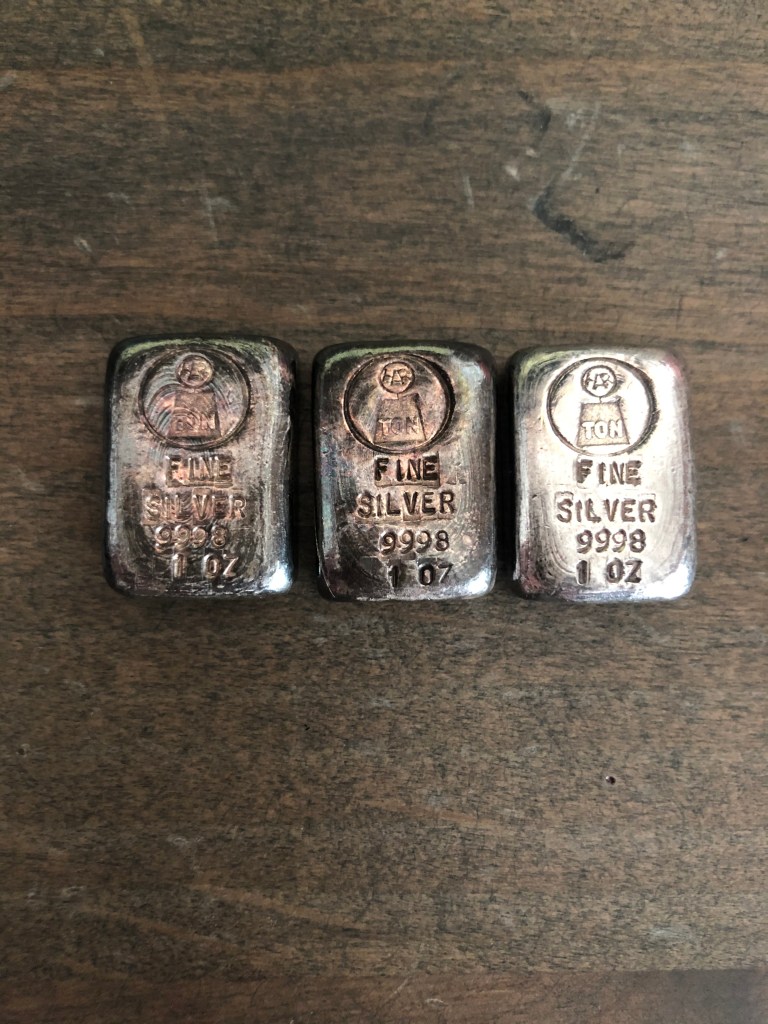
And for the grand finale, a trifecta of Australian goodness. These are phenomenal examples and extremely rare.
Pics don’t do these justice. In hand they are perfection. Estimated <100 mintage.All 3 have the same characteristic asbestos glove marks on top 1/3 of the bars. Just love this.
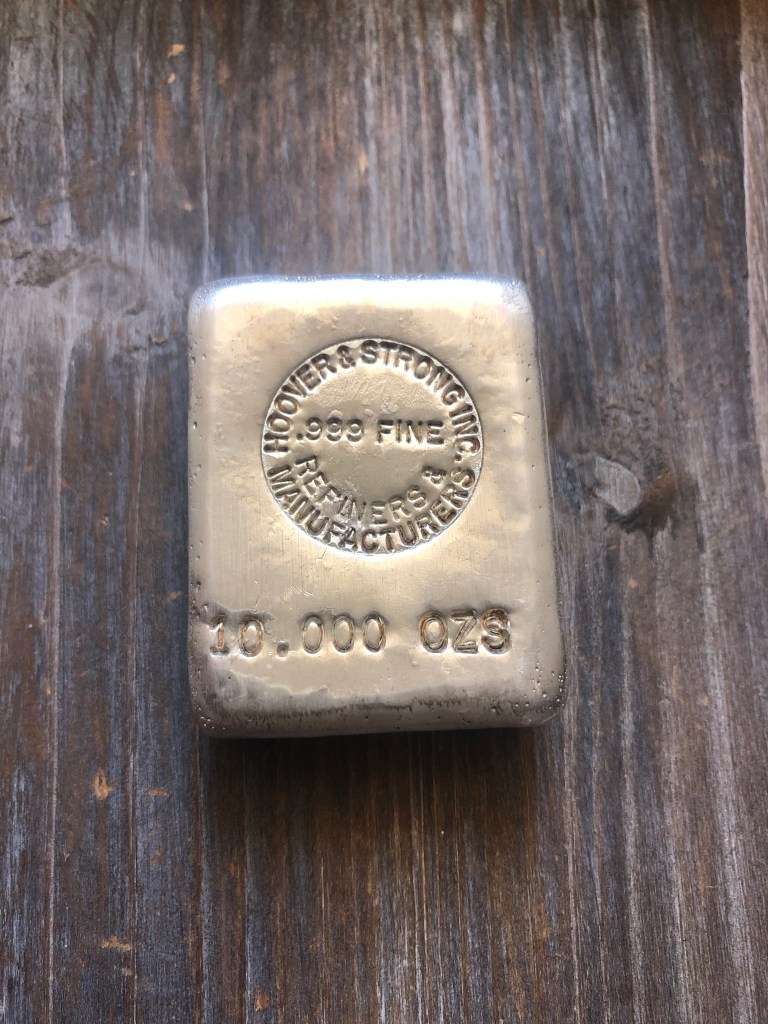
Hard not to lover pieces made by Hoover & Strong. I’ve been a huge fan of these for a long time and happy to own several pieces. A bit of history about the company, they were started in Buffalo, NY in 1912 by Jay Hoover and Harry Strong. Their original market was the recovery of platinum from industrial light bulbs. Harry Strong was only with the company 3 years, but his name stayed on after he left. The company later moved into purchasing platinum and scrap gold jewelry. In the 1930s jewelry manufacturers started moving out of Buffalo and Hoover started a mail order business for their products. During the depression years, the company sold most of its gold to the US Mint. Jay passed away in 1947. Fast forward to 1970, Jay’s grandson, George Hoover took over operations and the company grew. The moved the business to Richmond, VA in 1979. George’s son, Terry Hoover, took over in 1981. They have grown over the years through acquisition and are still in business today.
These pieces are very tough to come by these days and carry huge premiums.
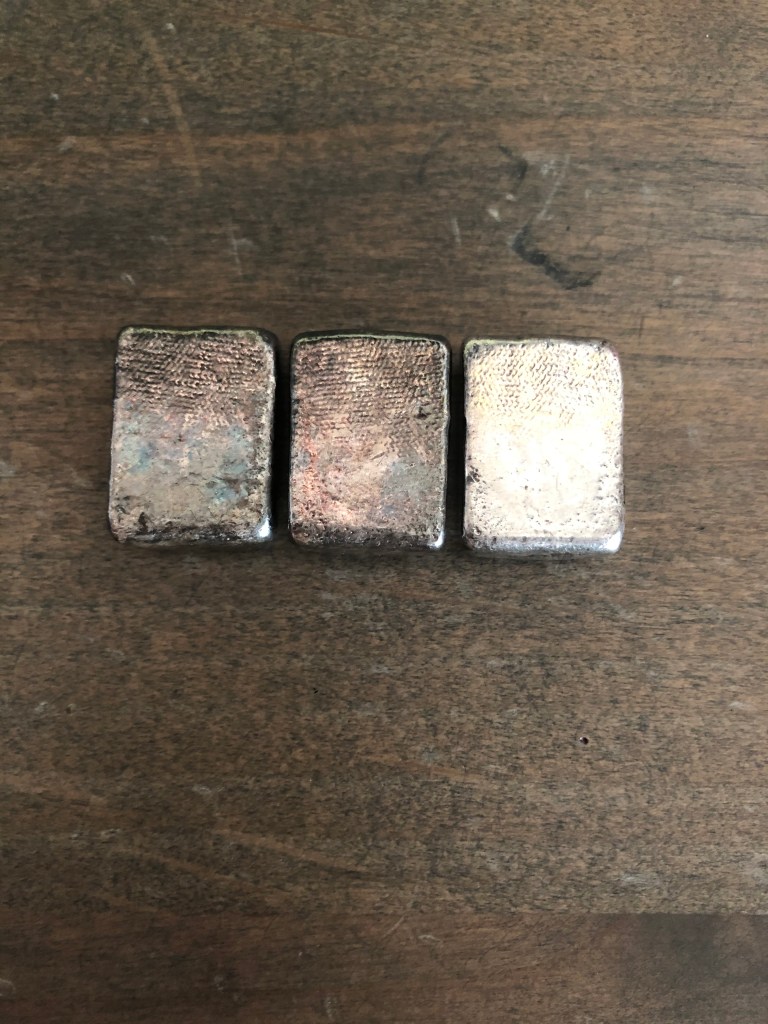
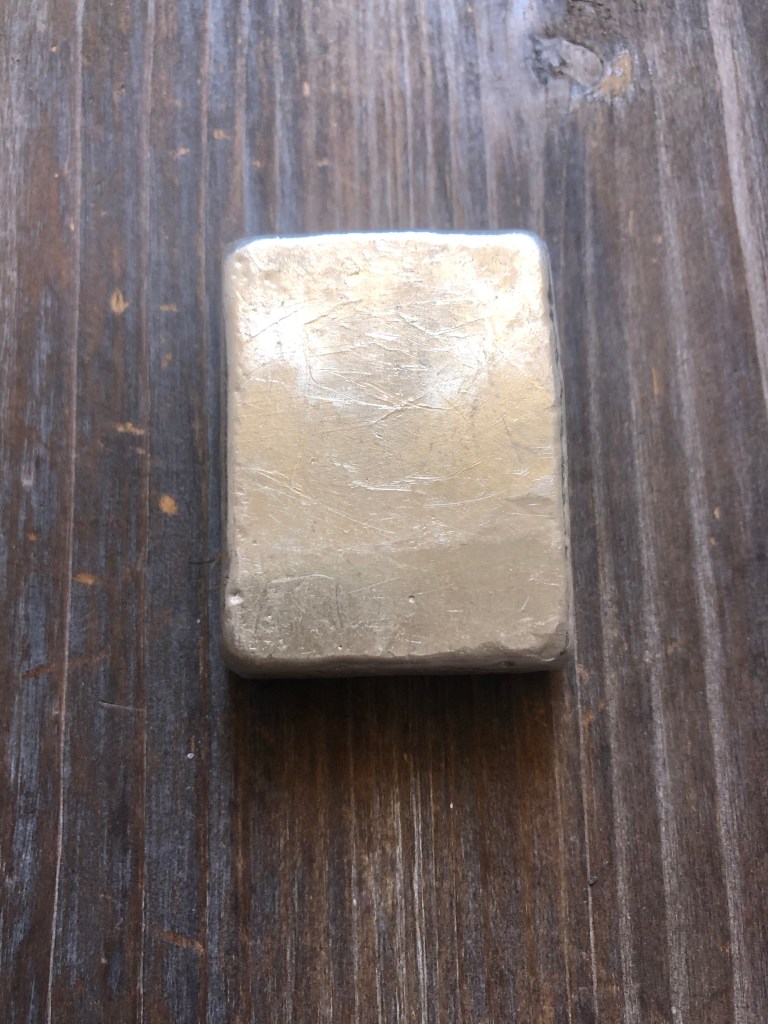
Type 2 10 oz class (type one is a shorter more square looking mold and mintage of <500) with estimated mintage of <2000. Honestly, I’d be surprised if more than 200 exist at this point.Pretty smooth looking reverse.
Another more rare variety of the type 2 has “Ozs” versus “Oz.”
Very few have the “Ozs” like the one pictured above.Nice character on the reverse.
Hoover & Strong also made award presentation pieces for a company called RPP. See below for two styles.
Extruded example with a very nice and clean stamp. 1982 RPP Silver Sales Award with estimated <25 mintage.Fantastic poured variety of the sales award. Both of my RPP pieces came from Ken Conaway’s collection. Thank you!Very different examples of the award pieces. This one has estimated mintage of <25, as well.
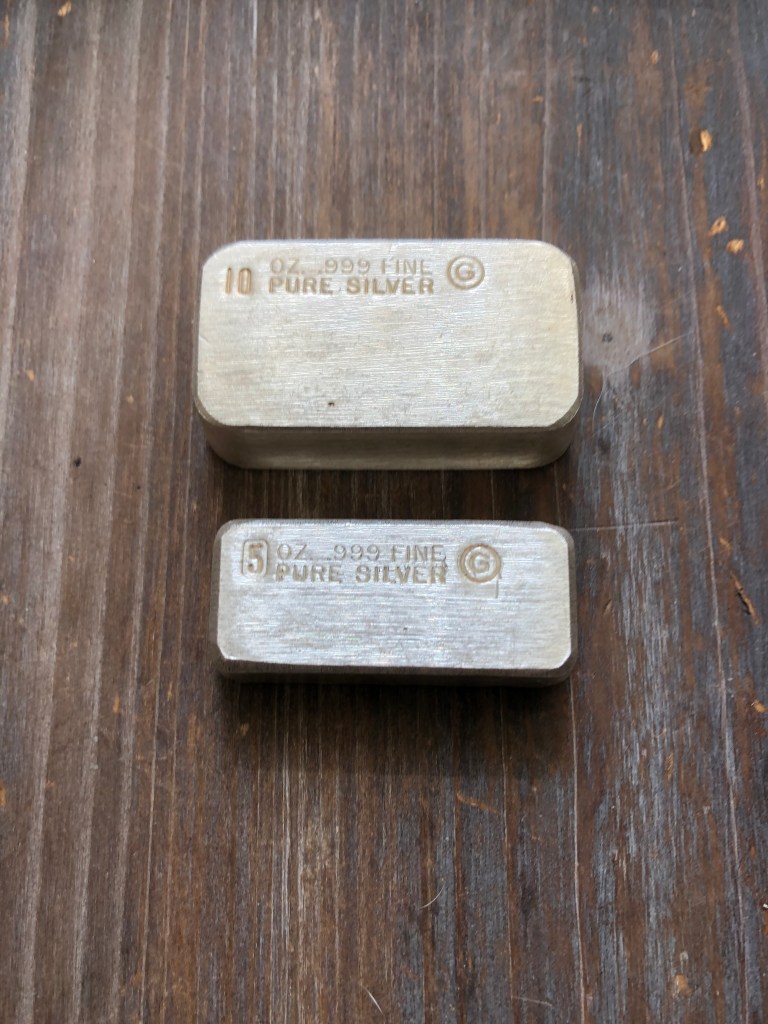
As much as I’d like to do a blog post for each individual “G” refiner, there are just a few too many, so I’m going to consolidate the rest in this post. Enjoy. First up is Global Metal Refiners, which came in 1, 2, 5, 10, and 25 oz from what I have seen. I’m going to include pics of the 5 and 10 oz here, but later when I do my “smalls” section of the blog, I’ll include the 1 and 2 oz, which I do own.
2 very clean examples. Most I have come across are beaten up. Really lucked out with these.Note the 10 oz has almost a brushed finish versus a more traditional pour reverse on the 5 oz.
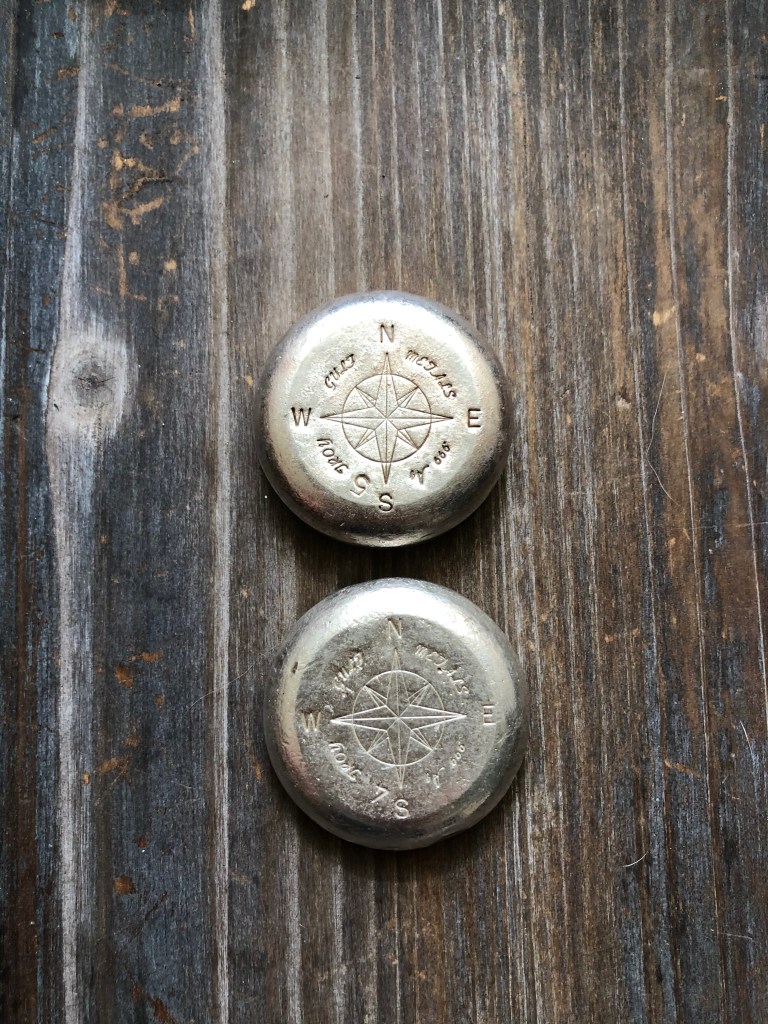
Another favorite of mine that you rarely ever see, are the Gulf Metals buttons. These are very cool pieces that I’ve owned for several years. These were made by Collector’s Resource, Inc. “CM,” which was the trademark of a company in Minnesota that handled rare coins, limited edition medals, sports memorabilia and other collectibles. They came in 3, 4 and 5 oz from what I have seen. They also originally came in a blue collectors box with the name of the company above noted inside the box liner.
These are really unique and unusual pieces. The hallmark, as you can see, is a compass with an 8 point star in the center. Note the weight can be seen on the obverse between West and South. Between South and East you will see 999 AG noted.5 troy oz and 4 troy oz.
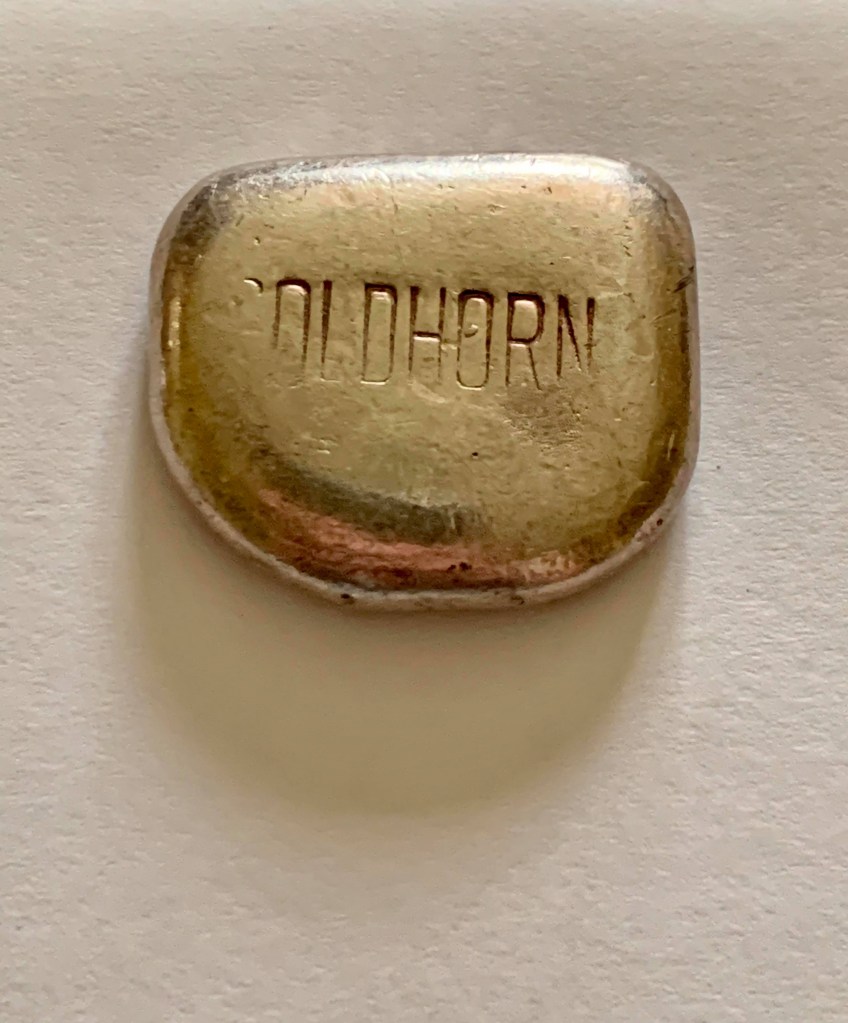
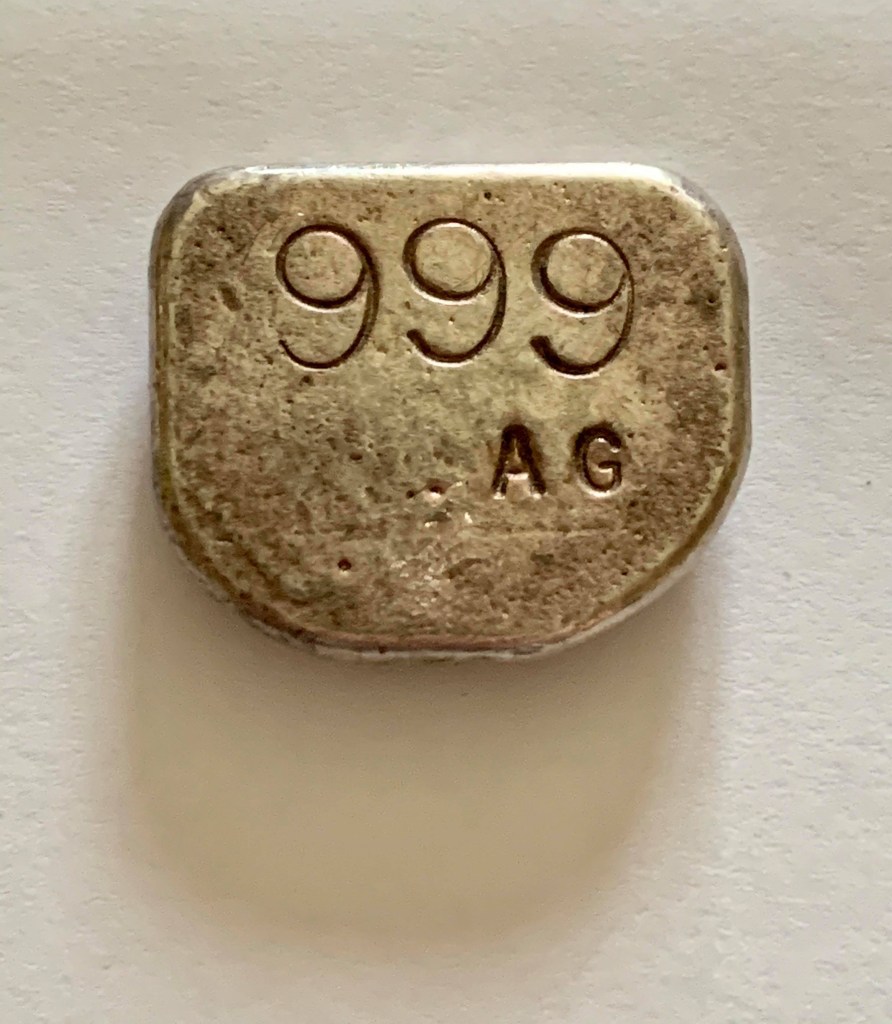
Goldhorn is another fantastic vintage hallmark that has become very coveted. They are very high premium and I’ve seen limited pieces on the market in 1 oz, 10 oz and 15 oz. Happy to share a few below.
Double hallmarked 15 oz in 9995 purity. Killer piece!Love the character and texture of the reverse.1 oz class compliments of Brian R. Thanks for sharing!Reverse of 1 oz, 999 fine unlike the 15 oz in 9998.
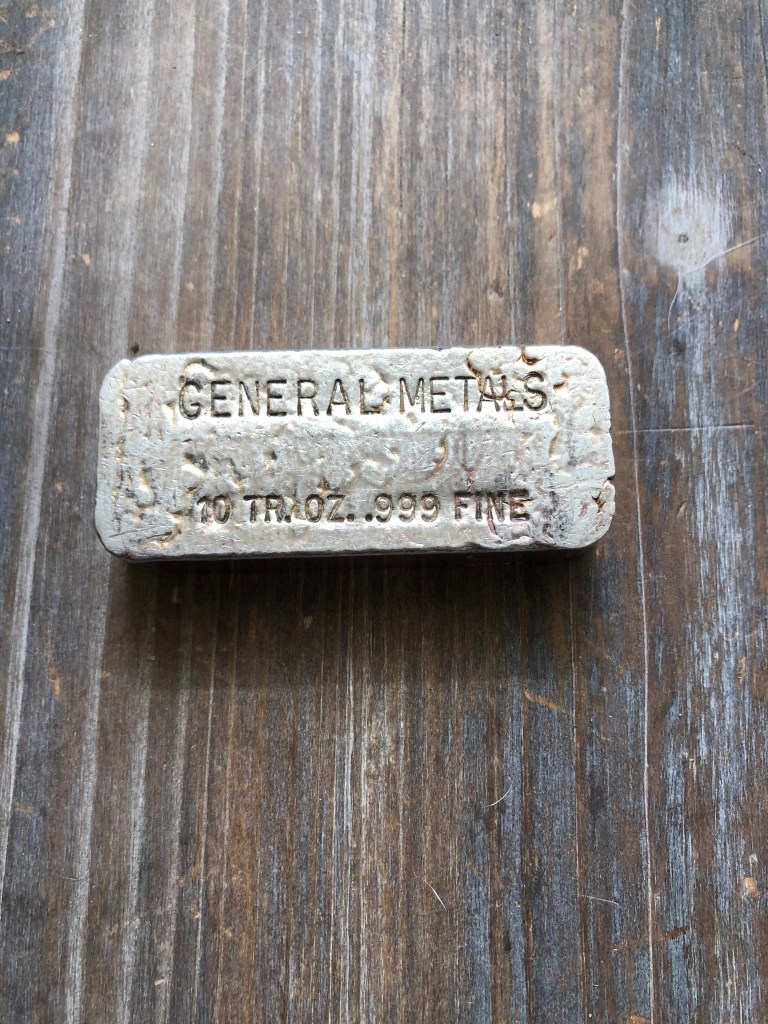
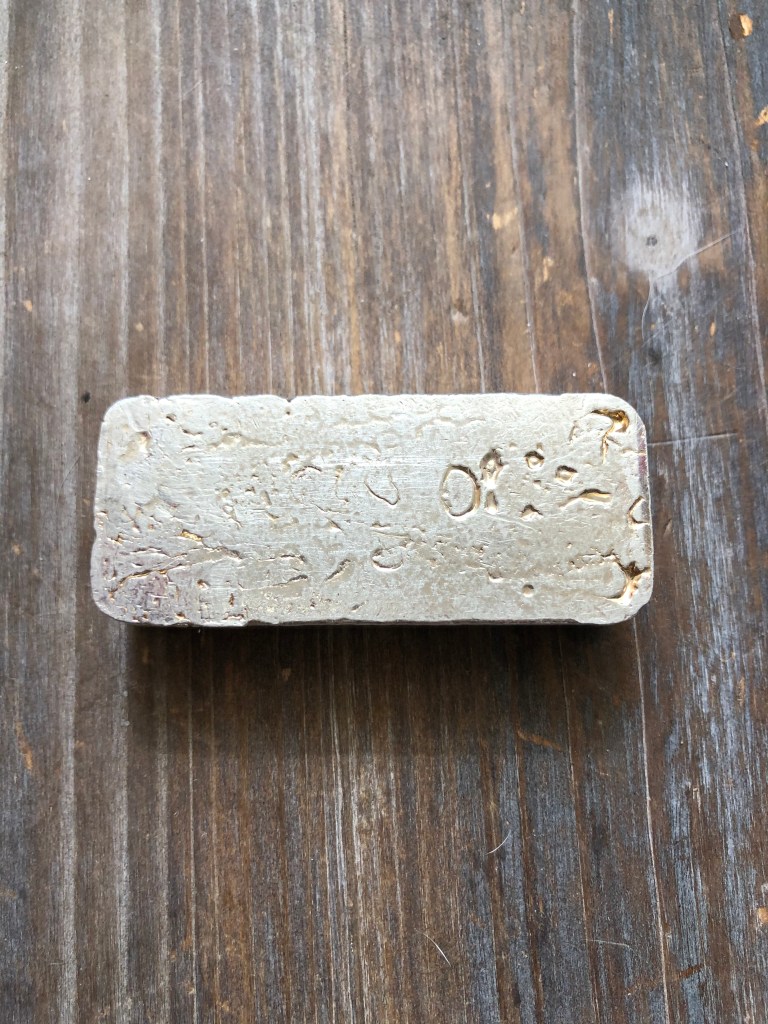
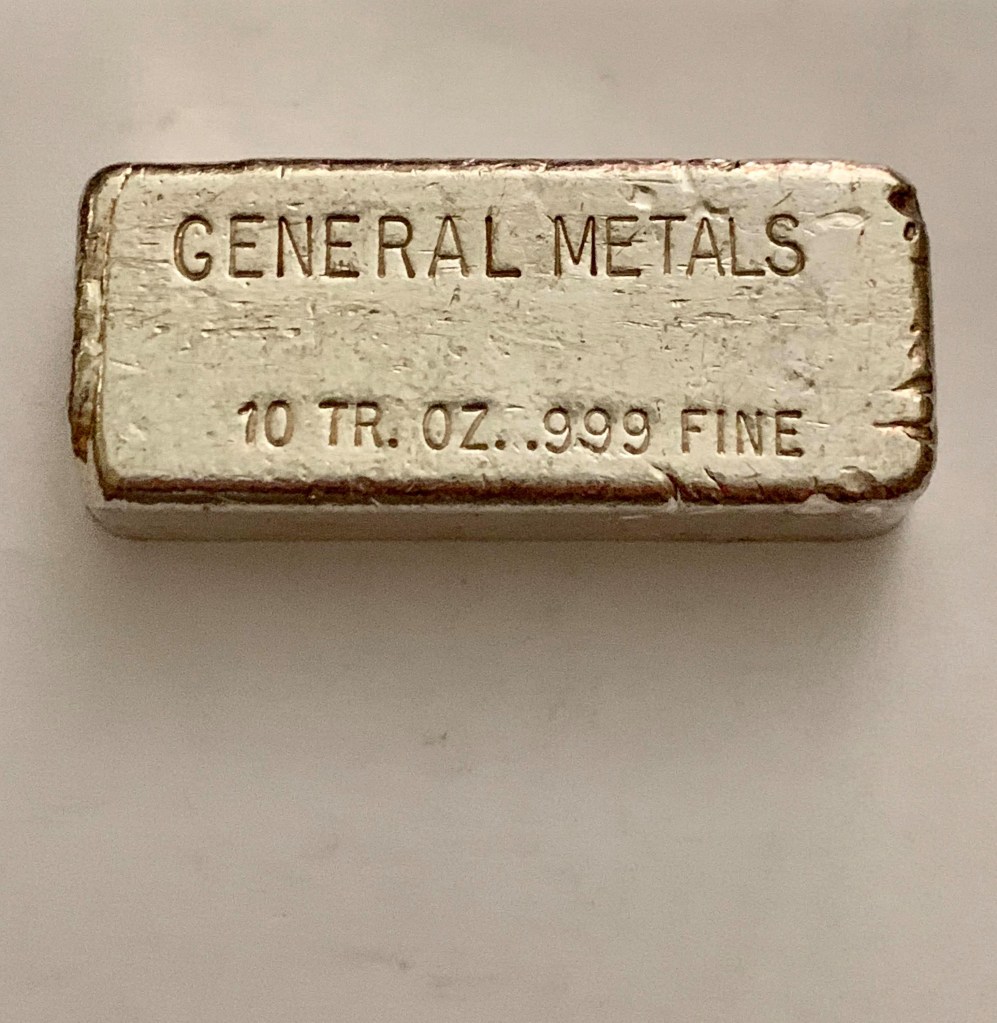
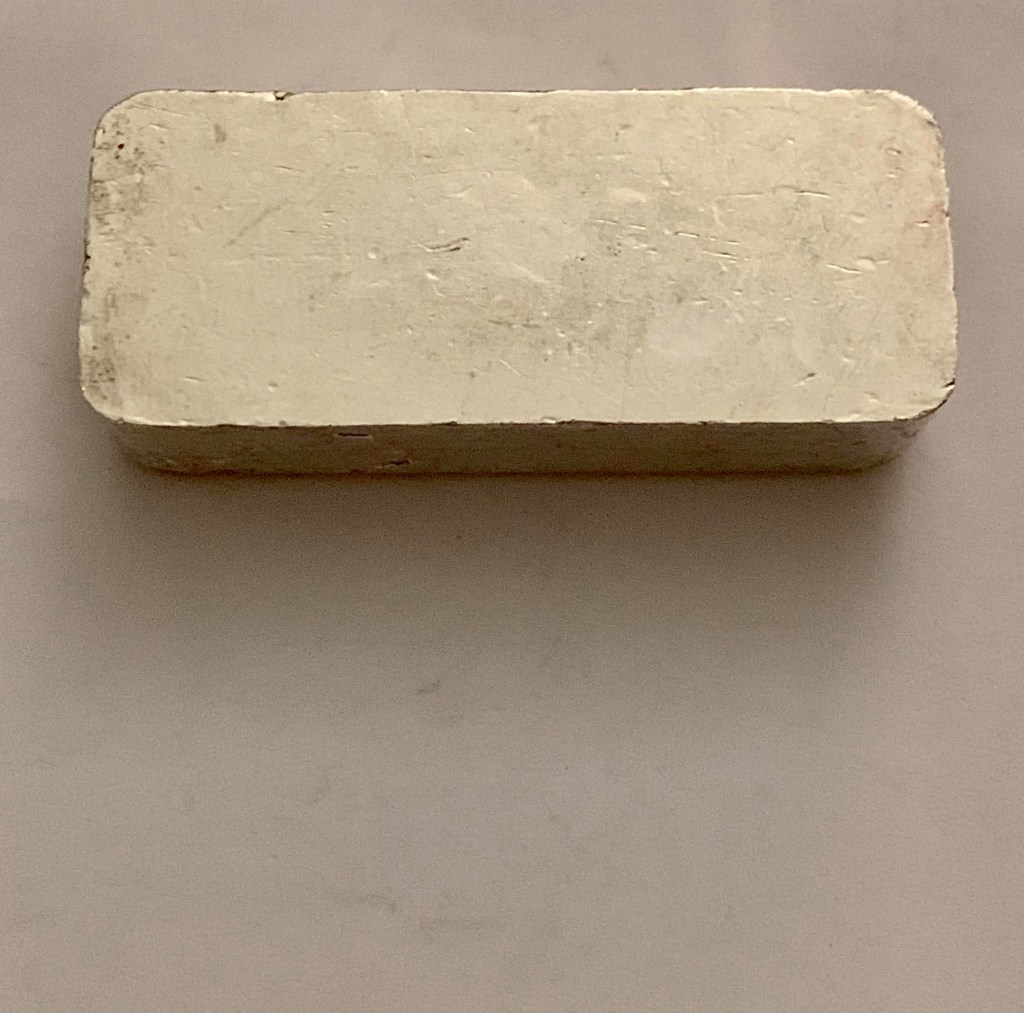
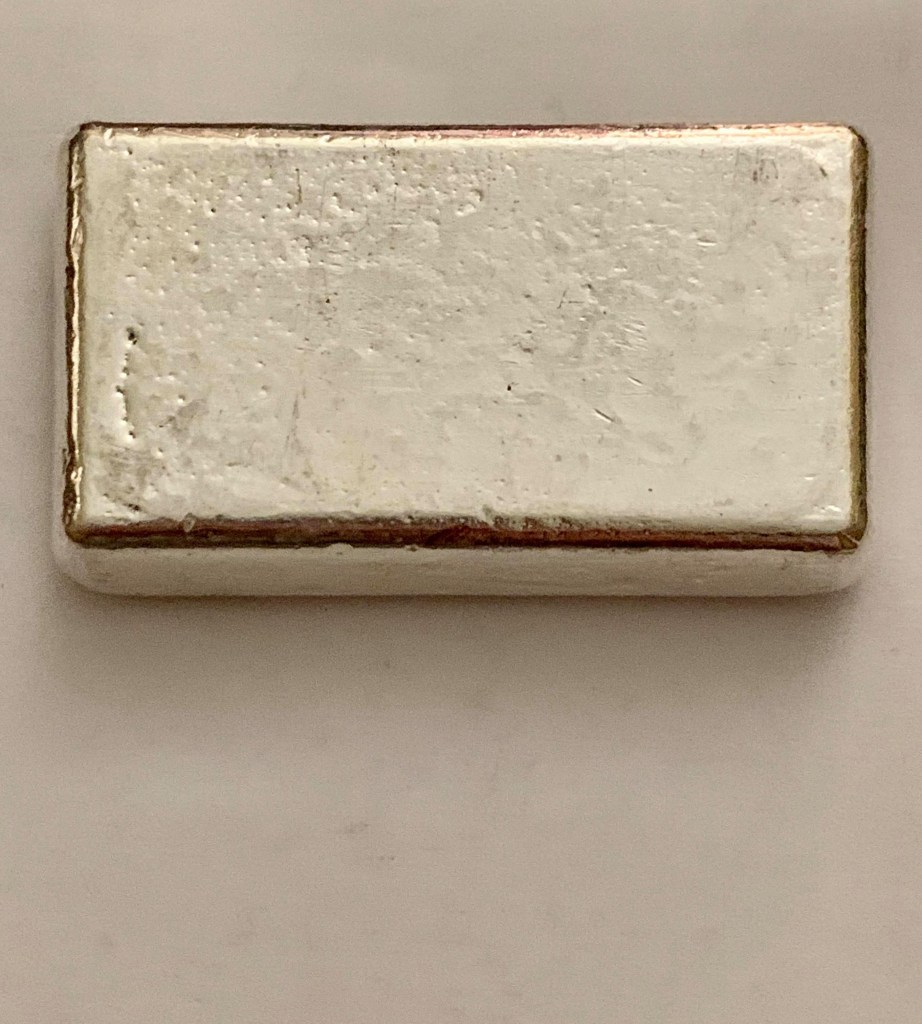
General Metals is another old “G” refiner. Not much information on this, but have a few examples to share. Commonly found in 10 oz.
Old pour all the way here!Really love the reverse with some gold toning going on in the crevices of this bar.Another example shared by Brian R. Thank you!Pretty smooth reverse.
Geomin is an old Australia pour and happy to share one example here.
251 gram (8.07 troy oz) with a lot # below. Lot G #932.Nice looking reverse. I like this mold.
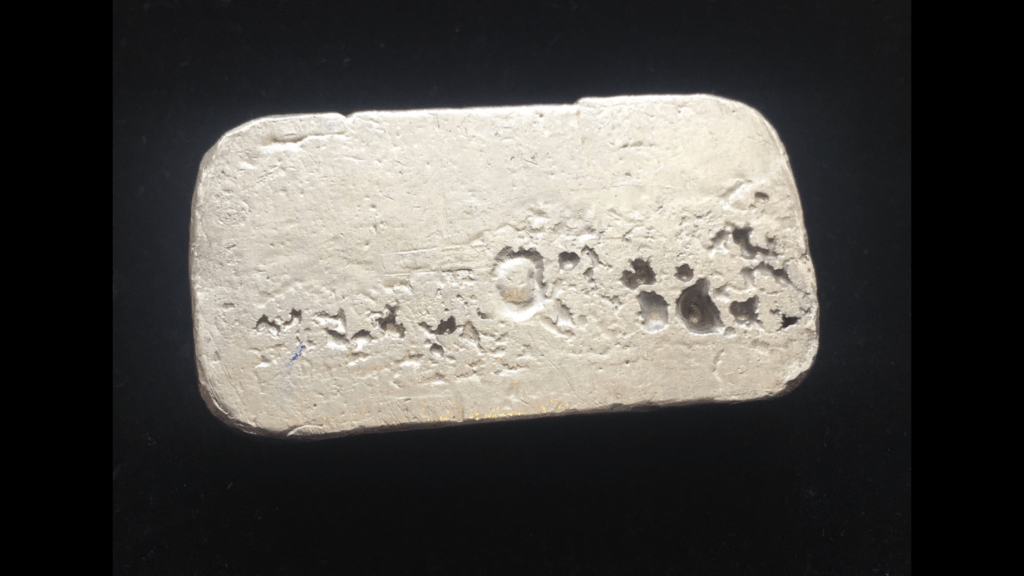
Lastly, another great example of a “G” refiner is Gulf Coast Coin out of Texas. So many great bars came out of Texas.
The little “w” stamp top right is interesting. Bread loaf mold. Very cool piece.Weight stamp on reverse. Great bar that you don’t see many of anymore.
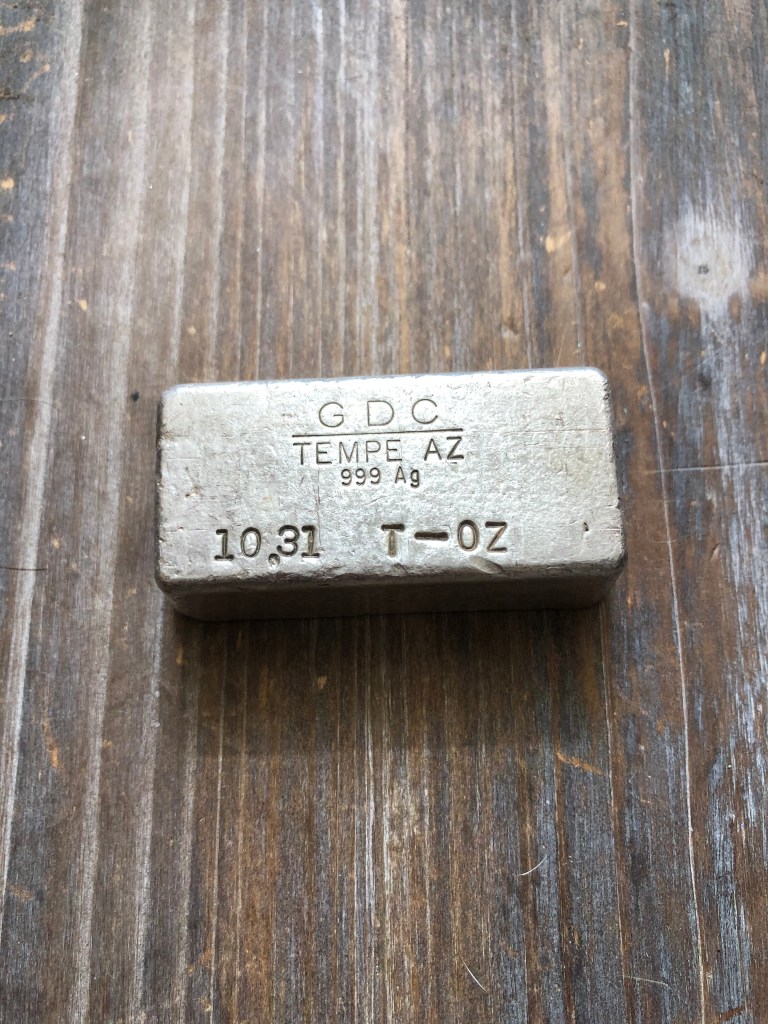
Arizona refiners have always held a special place among serious collectors of silver ingots. One, that has really gained traction in past years is Gila bars. I’ve been privileged to own several and still own one today. Based on discussions among the serious collector community, it is thought that the company operated out of Tempe, AZ. I’ve seen many dates discussed regarding their years of operation (as early as 1916), but there was a Gila Development Corporation established in AZ in 1960 and dissolved in 1985. This could be the one, but not definitive.
This is a bar I owned several years back, but reluctantly let go of it. Glad I save a few pics of this! Beautiful 5 oz class.Nice reverse character.
These bars only came in 5 and 10 oz class from what I have seen. Both 10 oz and 5 oz are extremely rare and hard to find.
10 oz class Gila that I still own today.This bar has some age!
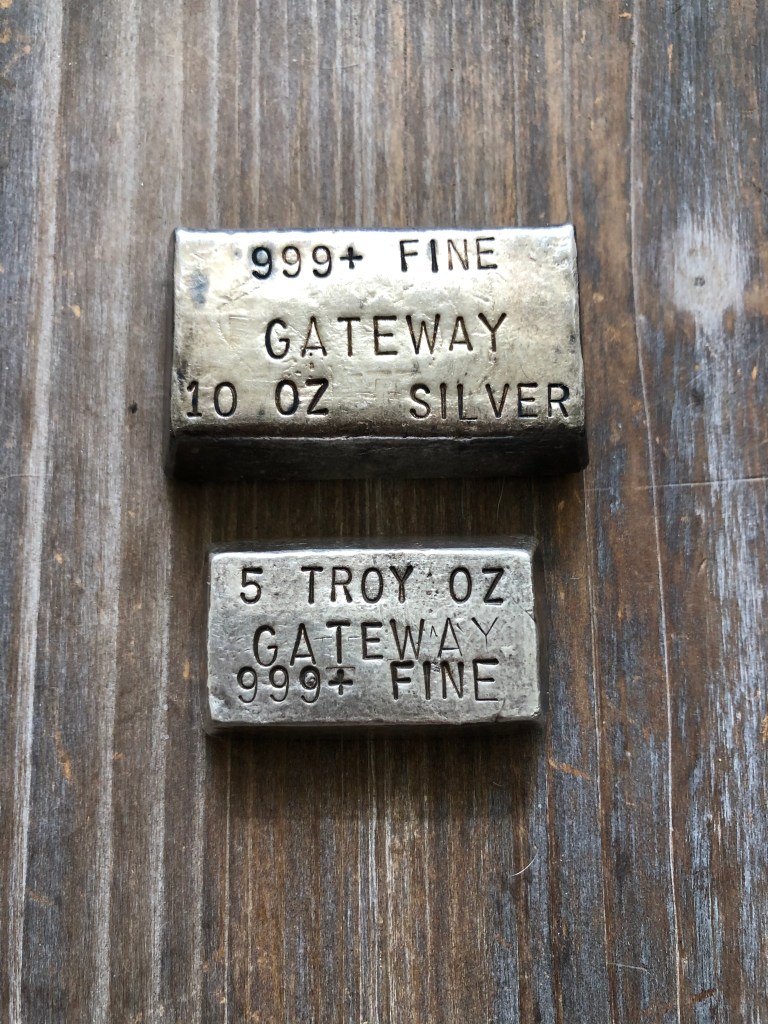
Have always been a fan of these ingots out of Pittsburgh, PA circa 70s. I’ve only come across 5 and 10 oz class bars from Gateway. In my experience both are scarce, but 5s even more so. I’ve got a few great examples to share below.
Crude but sexy ingots. More of a square shaped mold10 oz has a lot number on the reverse.
Brian R. has a larger collection of these and was nice to share photos for this post.
Killer examples with nice toning. Note the Republic ingot bottom right is an identical match. Gateway likely made these for Republic. Very cool to see this.C lot number with serial 0184 at top left. Same lot as my 10 oz class. The J #003 is really cool, as I’ve never seen a lot number with serial in the 5 oz class bars.
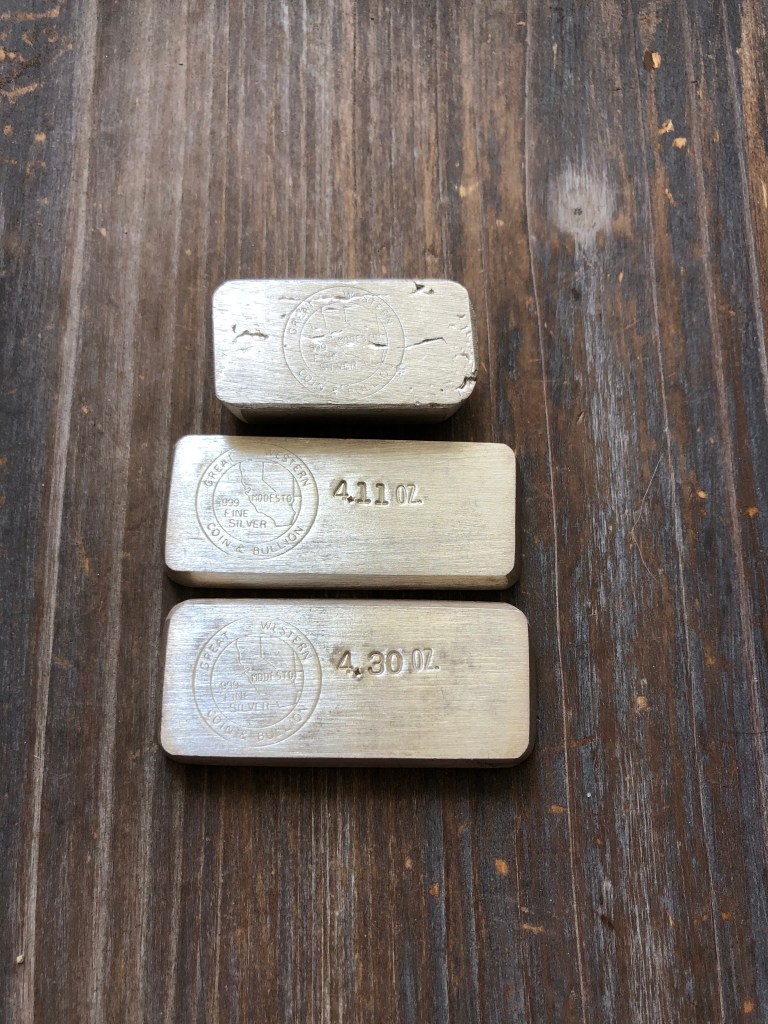
I’ve always been a fan of these, particularly being from the West Coast. GWCB came in many sizes and variations, but most commonly found in 10 oz class if and when they come up for sale. The 5 oz class are extremely scarce and when they come up, they generally fetch very healthy premiums. I’ve got some nice examples to share from this old refiner out of Modesto, CA.
Two different varieties of 10 oz class. I love the dark toning on the top ingot.Lot numbers on the reverse.2 varieties of 5 oz class. These are very tough bars to come by. The chunky 5 oz has the weight on reverse as seen above.Family photo.
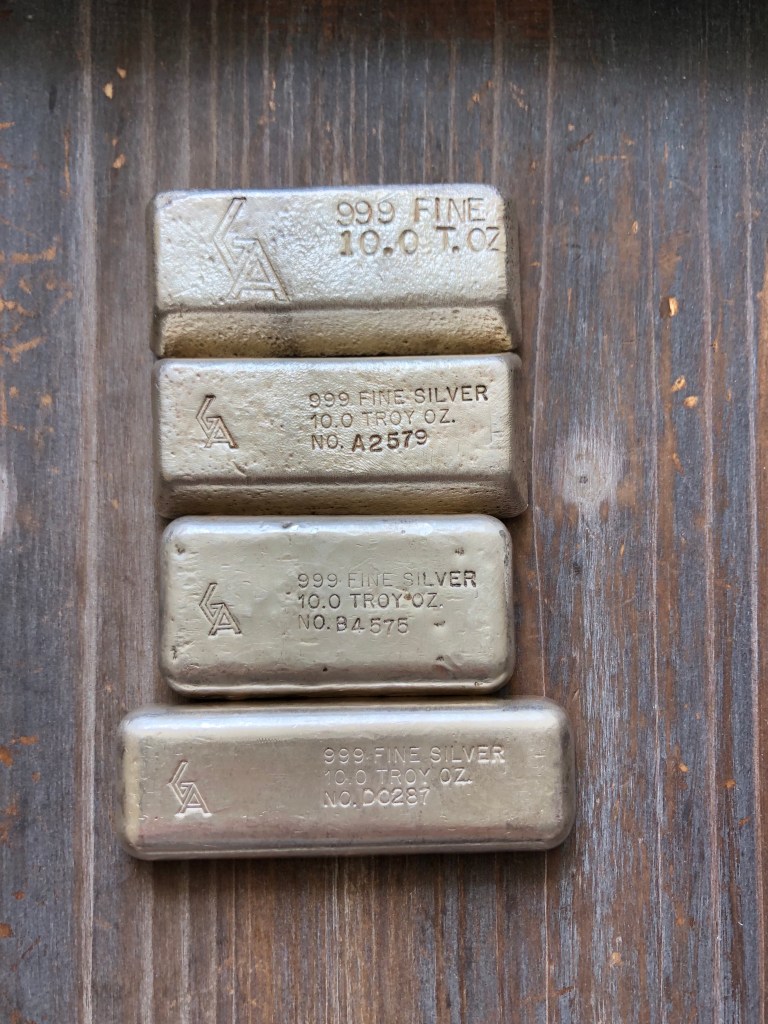
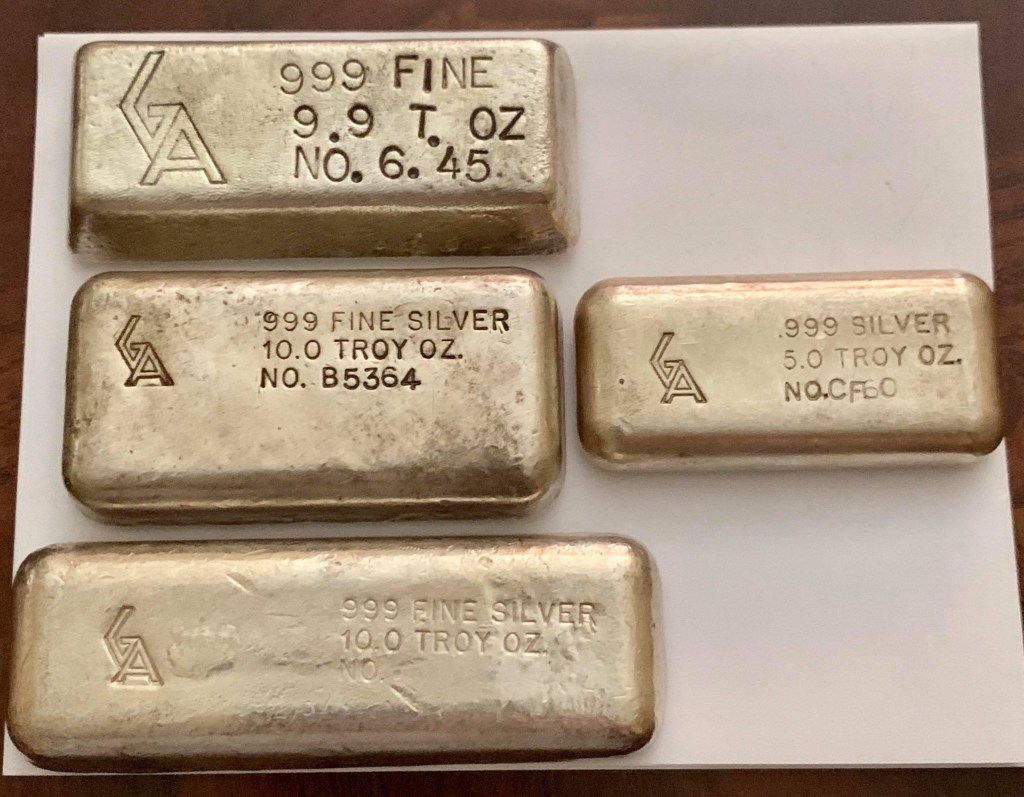
Colorado has a rich history of mining and many silver ingots have come out of this state previously. One of the more well known vintage bars come from GA out of Golden, Colorado. I’m a big fan of these and have been collecting them for years. I have sold off some of my GA’s but still have some really great examples to share. They came in 5, 10 and 25 oz class with multiple varieties.
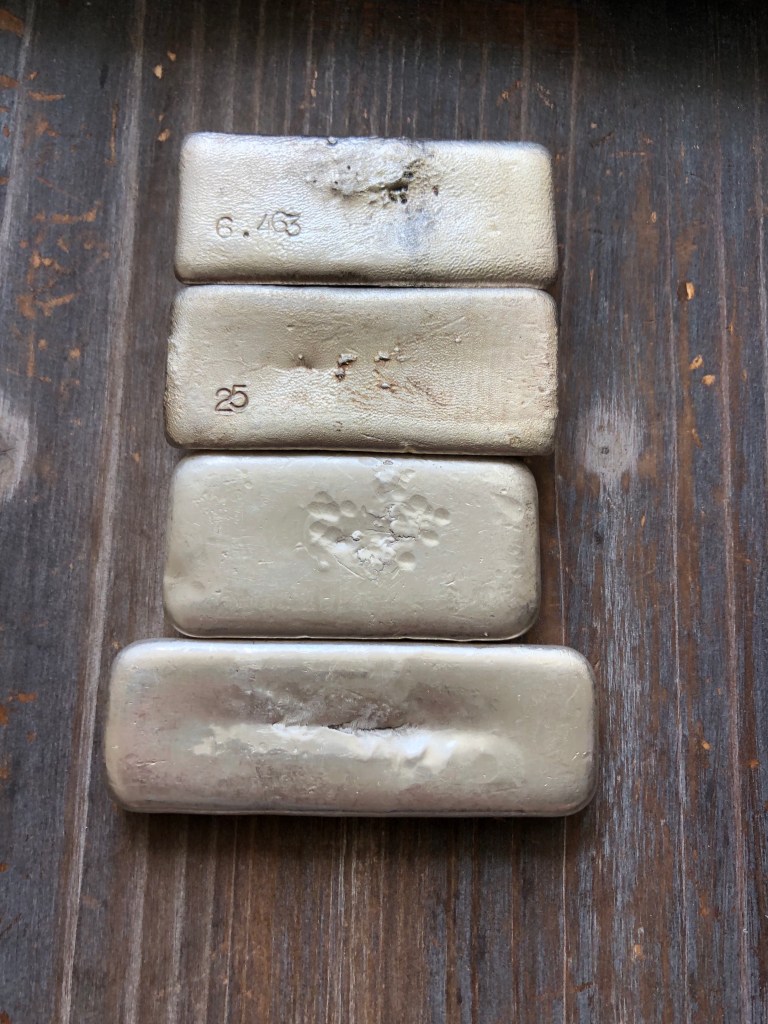
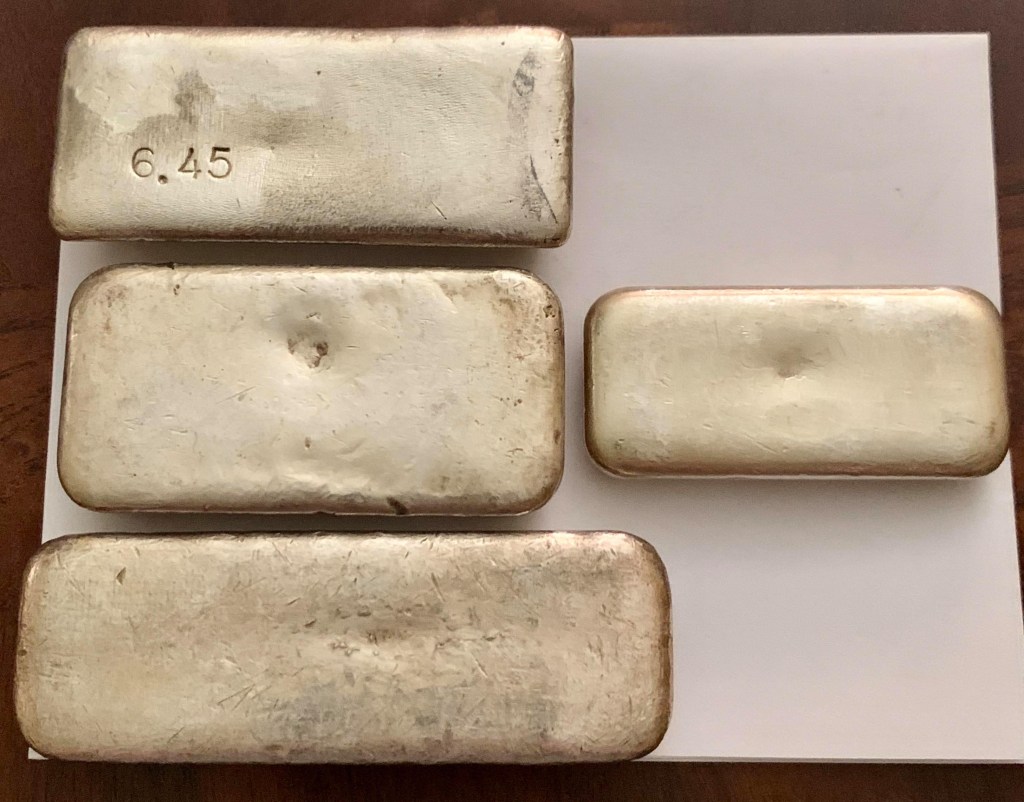
Type 1, 2, 3 and 4. Earliest 10 oz class example pictured at top and last run common vintage 10 oz at bottomLove the top two with lot number at top and I believe the 25 on second bar from top may be the serial #. Very cool early examples!
The 5 oz class, however, are my favorites and I’ve been hoarding them for awhile. Type 1 is the skinny long pour style and type 2 is shorter and chubbier.
Note the bottom 2 are sequential. Very rare to find bars together like this.Reverse. Love these!Note top left has no serial and purity stamp shows .999 Silver versus 999 Fine Silver on the others. Reverse of the chubby 5 oz. These are all in great condition.
Here are a few from Brian R’s collection. Thanks for sharing!
Cool type 1 10 oz top left and a non serial 10 oz bottom left. The chunky B middle left is in great condition!Cool 6.45 lot number top left, slightly different number from my type 1 above.
Just a few to round out the “F” box. First we have Federated Bullion Company, which is one of my top 15 5 oz ingots that I own. I love this piece with the unique hallmark with cursive style font, to the incredible patina and pour lines. Hard not to love it. I’ve never seen another 5 like this, but only a 10 oz, which doesn’t quite have the appeal of this piece.
Stunning piece!Layers of goodness!Patina for days!
First American Bullion Company is affiliated and considered second general Bear Paw Mining. Very rich history behind these ingots and incredibly difficult to come by. The company mined silver and gold in Northwestern Montana and Northern Idaho. The original mines were in the Bear Paw Mountains of Montana. In the 1920’s, Bear Paw became 1st American Co-Op and then years later became Consolidated Silver (CS hallmark). These second and third gen bars like the one pictured above are known as “Baby Bear Paws.” If you have ever seen a Bear Paw ingot, you will notice “CWP” stamped on the bar. These are the initials of the founder C.W. Paulsen. All companies used the same equipment and molds. Lot number sequences are close from one gen to the next.
I love the dark stamps on this bar. Odd weight 10 oz with stamp on reverse of bar.
The next ingot is shared by Brian R., a regular contributor to the blog. In the 70s a number of companies, notable Rainbow Vacuum and TriStar Vacuum made ingots for their sales people and customers. These are generally in a 15 oz class and really neat pieces. Filterqueen is another and this bar is incredibly rare. I own a Rainbow vacuum bar and have seen 5 or so of the TriStar bars, but this is the only Filterqueen I’ve come across.
Super rare and killer piece!
FG is another that is interesting, but not much known. I have looked at this one many times, and sometimes believe it could be “AG.” If we find out, we will certainly make an update here. Thanks Brian R. for this one, as well.
What do you see? fG or AG?Typical old pour reverse. Common mold for late 70s era.



























 Vintage Silver Bars